.png)
Old Standards in a New Money City
- Mr. Montevyl
- Aug 11
- 3 min read
Introduction
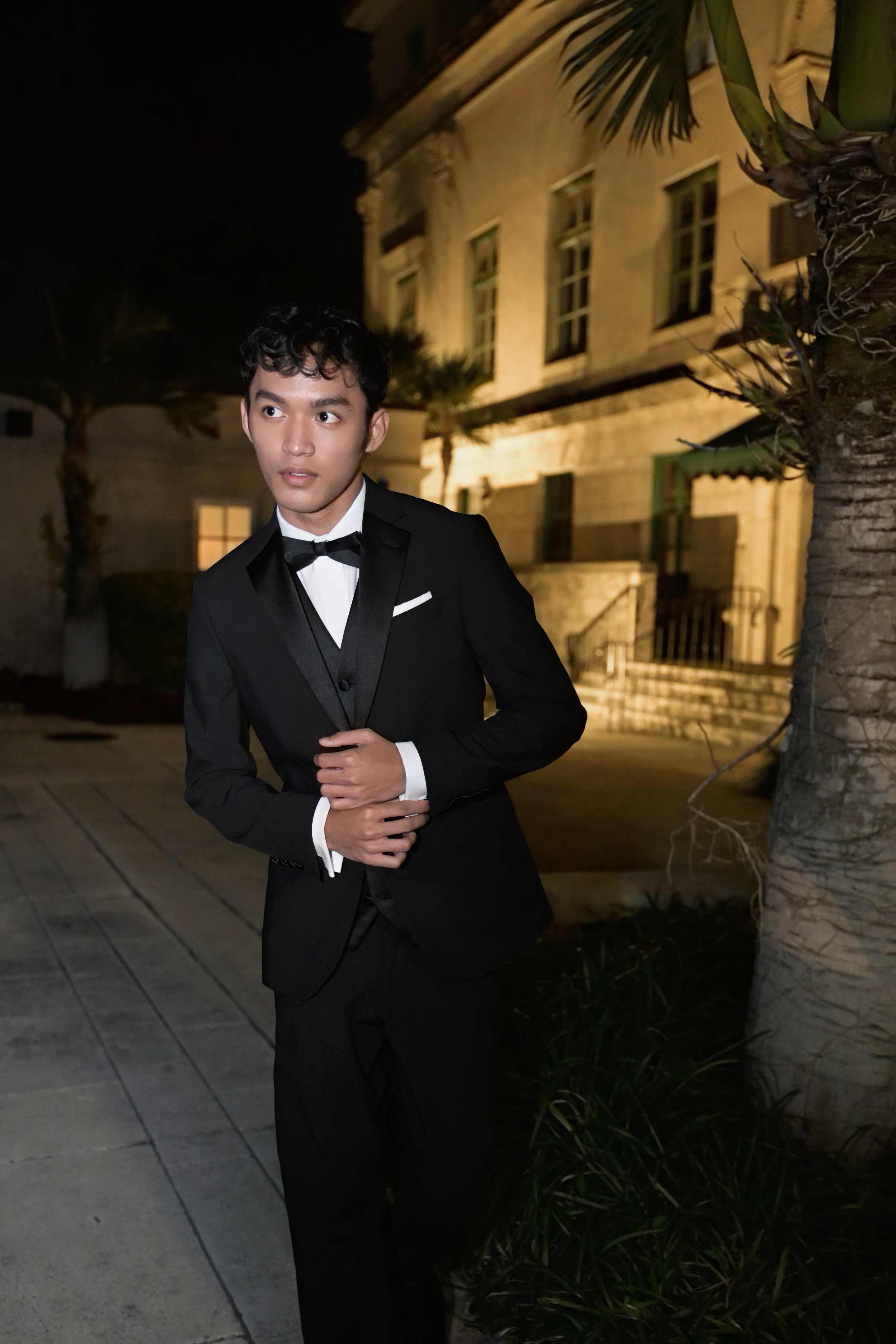
Cities shaped by rapid wealth often develop a culture of visibility. In these environments, success is frequently communicated through what can be immediately seen. Clothing becomes louder, brands become more recognizable, and public presence becomes a form of performance. This atmosphere encourages constant display. Luxury items are chosen not only for their quality but for their ability to signal status quickly and clearly. Classic standards approach this environment differently. Rather than competing for attention, they rely on restraint, proportion, and consistency. Their purpose is not to impress quickly, but to maintain composure regardless of the surroundings. In places built on display, this restraint becomes even more noticeable.
Beyond the Logo Economy
In many new money environments, clothing functions as a visible signal of wealth. Large logos, recognizable designer pieces, and statement items make status immediately identifiable. Classic style operates on a different principle. Instead of relying on branding, it places emphasis on construction and proportion. The cut of a jacket, the drape of a shirt, and the quality of fabric become the defining features of the outfit. This approach removes the need for visible signals. Quality is present, but it is not announced. Over time, this restraint creates a form of distinction that stands apart from the constant cycle of visible display.
Dressing for the Climate
Cities with warm climates often encourage expressive dressing. Places such as Miami are known for bright colors, bold prints, and energetic styling that reflect the atmosphere of the city itself. A restrained wardrobe does not ignore the climate, but it adapts to it carefully. Lightweight fabrics such as linen and cotton allow comfort without sacrificing composure. Linen shirts, tailored trousers, and suede loafers offer practicality while maintaining balance. The goal is not to compete with the visual energy of the environment, but to remain composed within it. Restraint, even in warm climates, often creates a stronger visual presence than excess.
Move at your Own Pace
In environments built on visibility, people often feel pressure to perform their presence. Conversations become louder, movements become faster, and attention becomes something to compete for. Composure operates differently. Speaking clearly, walking calmly, and maintaining control over small gestures creates a steady presence. Rather than forcing attention, it allows attention to settle naturally. The result is a form of authority that feels controlled rather than performed. In many cases, restraint becomes the most noticeable quality in the room.
Consistency of Your Wardrobe
Trend-driven style changes quickly. New pieces replace old ones before they have the opportunity to develop familiarity. Classic style develops through repetition. The same jacket appears across different seasons. The same watch becomes part of a daily routine. A reliable pair of trousers returns again and again. This consistency gradually forms a recognizable identity. Instead of constant reinvention, the wardrobe evolves slowly while maintaining its core elements. Over time, repetition becomes a sign of personal discipline rather than limitation.
Letting Others Compete
In environments where attention is treated as a form of currency, many individuals attempt to stand out through louder choices and sharper statements. A composed presence rarely needs to compete. Listening carefully, speaking with intention, and remaining measured in expression often leaves a deeper impression than visible effort. This approach does not reject the environment, but it refuses to be shaped by its louder tendencies. Restraint, when maintained consistently, becomes its own form of distinction.
The Enduring Standard
Classic conduct is not determined by the environment in which it appears. Whether in quiet cities or vibrant ones, the underlying principles remain consistent. Restraint in dress, composure in movement, and discipline in personal standards create a form of presence that does not depend on display. In cities defined by visibility, these qualities may appear understated at first. Yet over time, they reveal a different kind of authority, one built not on performance, but on consistency. And in environments where many attempt to be noticed, restraint often becomes the most recognizable standard of all.


Comments